



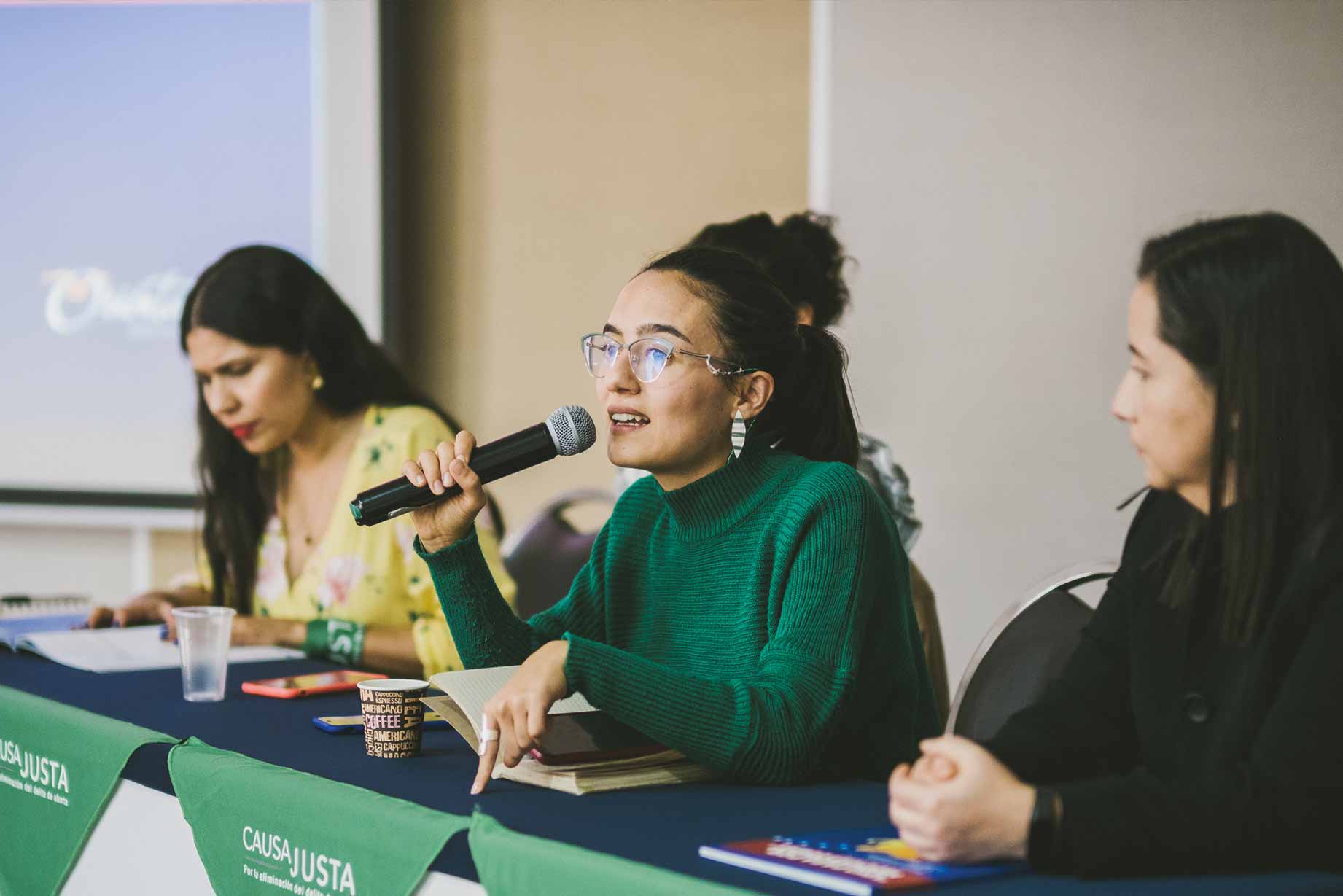
LA MESA POR LA VIDA Y LA SALUD DE LAS MUJERES
Feminist organisations and civil society are key players in international spaces to counter conservative anti-rights discourses and promote gender equality.
In a global context where the regression of rights threatens fundamental freedoms and challenges democracies, the strategic participation of civil society in multilateral spaces such as the Commission on the Status of Women (CSW) and the Commission on Population and Development (CPD) of the United Nations system is essential to protect advances in women’s rights and gender equality achievements. These are crucial forums for guiding public policies and regulatory frameworks and charting a course for social justice and sustainable development by integrating issues such as reproductive autonomy into a broader rights agenda. Understanding their strategic role allows for the identification of opportunities for effective participation.
Gender equality must be guaranteed
as a pillar of democracy and anti-rights
discourses must be countered.
Colombian civil society organisations have participated actively. For example, within the framework of CSW 69, the Mesa por la Vida y la Salud de las Mujeres (Roundtable for Women’s Life and Health) attended the event “Promoting Sexual and Reproductive Health and Rights in Complex Contexts” organised by FOKUS and the Humanas Organisation. Similarly, together with the Colombian Mission in New York City and Fos Feminista, it convened the side event “Strengthening links between agendas: sexual and reproductive health and rights 30 years after the Beijing Platform for Action.” This conversation was further explored at the event “Sexual and Reproductive Health and Rights: A Central Element in Guaranteeing the Right to Health.” This was also led by La Mesa, together with the governments of Uruguay and Mexico, the organisation Iniciativas Sanitarias and Fos Feminista
In this regard, it should be noted that the feminist movement has undertaken mobilisation and advocacy actions that have been fundamental in securing rights. However, like several social organisations, it now faces key challenges: conservative discourses backed by restrictive states that perpetuate inequalities and limited funding that hinders the sustainability of transformative agendas.
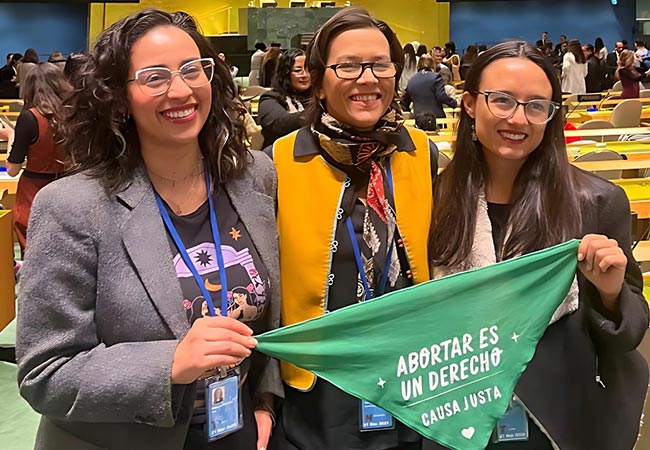
Therefore, although states actively participate in spaces such as the CSW, the CPD, and the Future Summit, among others, civil society efforts must focus on maintaining dialogue with governments, providing clear conceptual frameworks and transformative proposals. In addition, the oversight must be strengthened so that the commitments made by states in these settings are translated into public policies that effectively guarantee the rights achieved.
Collaborating with states does not imply losing autonomy, but rather expanding the scope for action from a perspective of rights and social transformation. Feminist organisations not only enrich government agendas: they build knowledge and strategies that enrich multilateral debate. Civil society ensures that freedom, gender equality and social justice remain central themes in these forums. In this regard, it is essential to demand that progressive states engage in active diplomacy that does not shy away from debate for fear of geopolitical tensions or reprisals from more powerful states.
On the other hand, and in the context of global debate on the demographic decline facing some regions, it is important that discussions in these forums also focus on guaranteeing women’s rights. This is because there is a narrative that is currently gaining ground that blames women for this phenomenon by focusing on their decision not to become mothers. This narrative reinforces gender stereotypes and diverts the conversation away from the failures of national care systems.
Conservative discourses take advantage of this concern to promote compulsory motherhood, ignoring the structural causes underlying this phenomenon, such as job insecurity, poverty, lack of access to health care or inequality. Reorienting this conversation from a rights-based perspective is an active way of defending these rights. Thus, the answer cannot be to impose motherhood on women, but rather to build dignified conditions so that they can decide freely on their life plans.
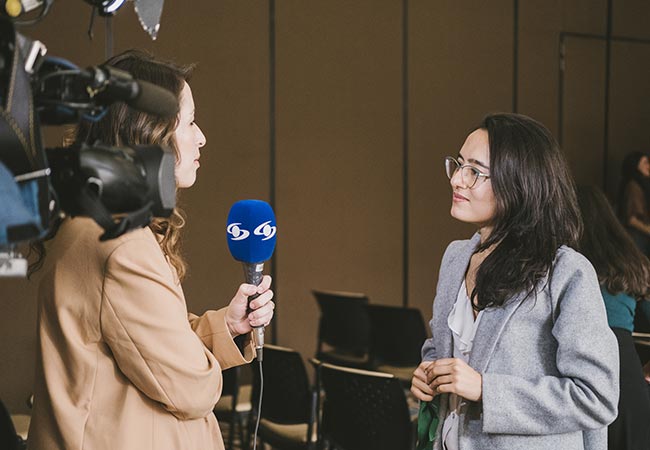
Similarly, with democratic values under dispute, it is important to link the media more closely to the international agenda and discussions. This is the only way to ensure that citizens have more information on the subject. The information must be accurate and rigorous in order to help dismantle myths and stereotypes about the feminist movement, continue to legitimise gender equality as a pillar of democracy and counter anti-rights discourses.
In this vein, with each strategic action in international discussion and debate, feminist organisations strengthen their role in promoting rights. Furthermore, by collaborating with governments, leading campaigns that transform perceptions and forging alliances, civil society not only expands its capacity for advocacy, but also contributes to democratic strengthening and progress in gender equality. Making these spaces political and ethical benchmarks for democratic and just societies around the world requires technical and political clarity, sustained alliances and collective feminist work. We must therefore commit to a diplomacy that defends reproductive autonomy and the consolidation of more just and inclusive democracies.
LINKS TO ARTICLES
On April 7, the side event “Women with Disabilities: Sexual and Reproductive Health and Rights Without Barriers” was held…
At this event, we shared our experience and commitment to defending abortion rights in Colombia.
As part of #CPD58, on April 7th, we met at the UN with the governments of Colombia 🇨🇴, Mexico, and Uruguay,…
“It allows us to contribute to the defense of international legal standards related to sexual and reproductive rights…
Public and honest conversations between civil society and government. Link agendas and issues, such as reproductive health and the right to health. Reaffirm previous international commitments.