



GRUPO MULTIDISCIPLINARIO POR LOS DERECHOS SEXUALES Y REPRODUCTIVOS
The girl who once felt afraid because nobody explained to her what menstruation was is now a woman who creates safe spaces so that others can speak out.
The first time she had her period, she didn’t understand what was happening. At home, sexuality was hardly ever discussed. No one explained what the bleeding was or why it happened. When she asked, she found no answers either.
She had grown up in a rural community in Jocotán, Chiquimula, about half an hour’s journey from the district capital. She was the eldest of ten sisters and brothers. Her mother was illiterate and her father was studying to become a teacher, whilst supporting the family. From a very young age, she realised that, for many women around her, life seemed to have a predetermined path: staying at home, looking after their siblings, getting married and having children.
But Ana decided to take a different path. She left home whilst still in lower secondary school to continue her studies and work. The decision drew criticism. Many questioned why a woman would leave the community to seek independence.
Even so, she pressed on.
Whilst studying to become a teacher, she received an invitation from Tierra Viva to take part in training programmes aimed at young people. Those talks enabled her, for the first time, to learn about her sexual and reproductive rights and to understand aspects of her body that nobody had ever explained to her.
“That’s where we started. That’s when I began to learn more in depth about women’s rights and sexuality, to explore menstruation and to get to know my own body.”
This learning came whilst she was going through an experience that brought her face to face with reality. After graduating, she decided to move in with her partner at the time. They lived together for barely six months. “It really was a very violent relationship.”
What she was learning on the training courses stood in stark contrast to the violence, control and pressure she experienced every day. Little by little, she gathered the strength to set a boundary. “I managed to stand my ground and put a stop to it.”
Sometime later, she found herself facing an unwanted pregnancy. She was around 19 years old and already knew she didn’t want to be a mother. She sought support from the women who had accompanied her through her training and made a decision about her body and her future.
Her partner did not agree. Neither did her family.
When she told them what had happened, the rejection was immediate. Her grandfather was upset, and other relatives felt she had ended a relationship which, in their view, was the best thing for her. “I didn’t feel guilty about the decision, but I felt sad; I felt alone because I didn’t have my family’s support.”
Whilst going through that time, she found support in her female peers. “They were always there for me with words of encouragement and motivation.”
‘If you got married,
you just have to put
up with it,’ they told her.
She decided to leave.
Over time, the tension within the family eased, although differences remained. Her family still held the view that women should get married, have children and put up with violence. “If you’ve gotten married, you’ve gotten married – you just have to put up with it.”
Ana decided to respond differently. She also decided to share the knowledge that had changed her life with other women– first with her sisters, then with her neighbours.
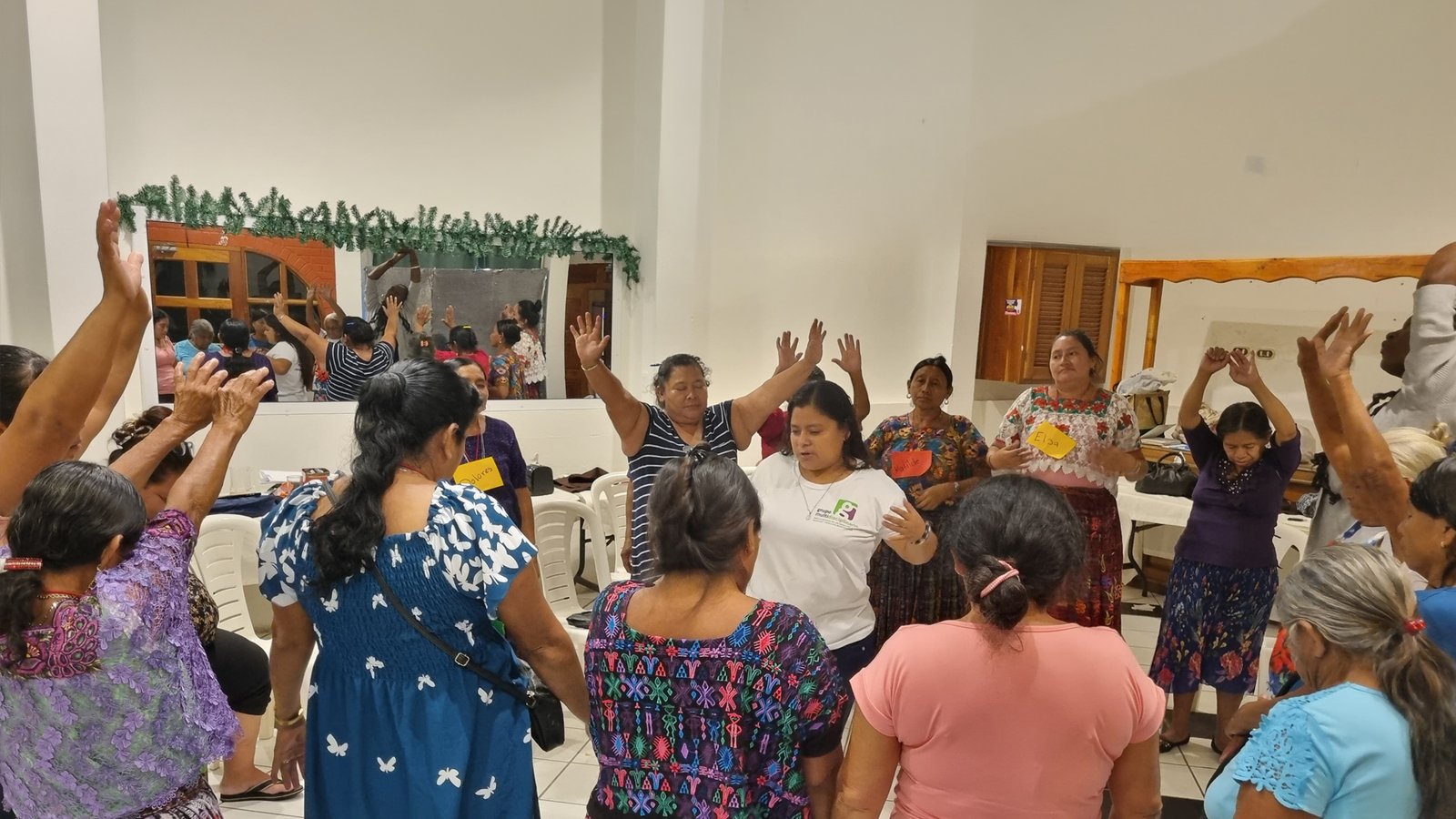
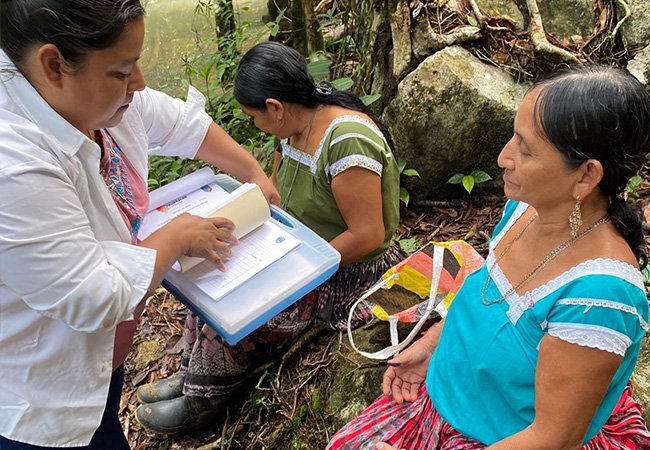
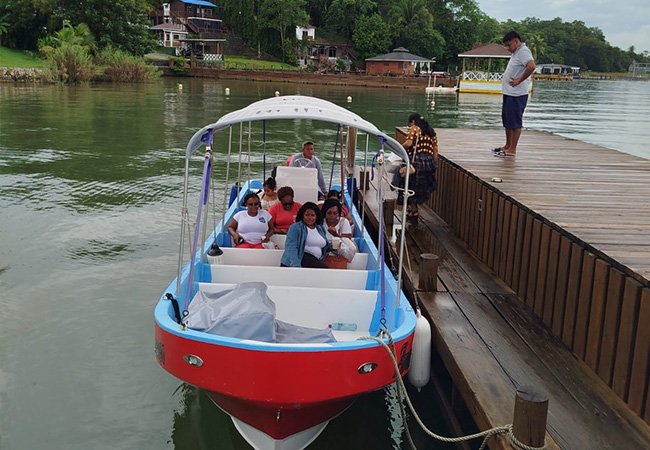
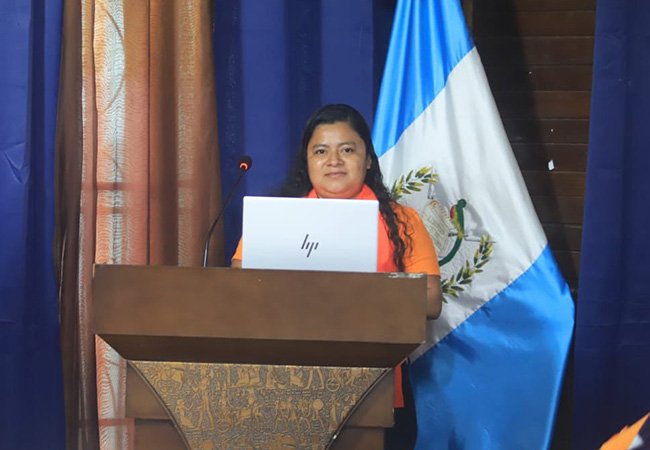
Today she works at Tierra Viva, an organisation where she began years ago as a young agent of change. She is currently a community leader and a facilitator of awareness-raising and training programmes on sexual and reproductive rights. Her work has led her to support women not only in her own community, but also in various municipalities across the department of Izabal.
The journey has not been without its share of criticism. For years she heard comments labelling her as “the odd one out”. Some people claimed she was encouraging women to leave their husbands. Others questioned why she remained single and childless.
“I’m not going to have children in this life.”
For Ana, choosing not to become a biological mother does not represent a loss. It is a decision based on information that was denied her for years.
That is why she continues to share her story. In the workshops, she hears stories similar to her own. Women seeking guidance, who need reliable information and who, for the first time, find a space to speak without fear. “The women are also breaking the silence and starting to ask questions.”
She is also aware of the obstacles they face. She talks about the difficulties in accessing contraception, the lack of privacy in health services and the cultural barriers that persist in rural communities.
But she also talks about small changes. About conversations that didn’t exist before. About women who are beginning to recognise that they have rights.
The girl who once felt afraid because nobody explained to her what menstruation was is now a woman who creates safe spaces so that others can speak out.
And after years of soul-searching and difficult decisions, there is one certainty that underpins her story: “I feel very at peace with myself because I believe it was the best decision I could have made for my life – it’s my body and no one else decides for me.”