



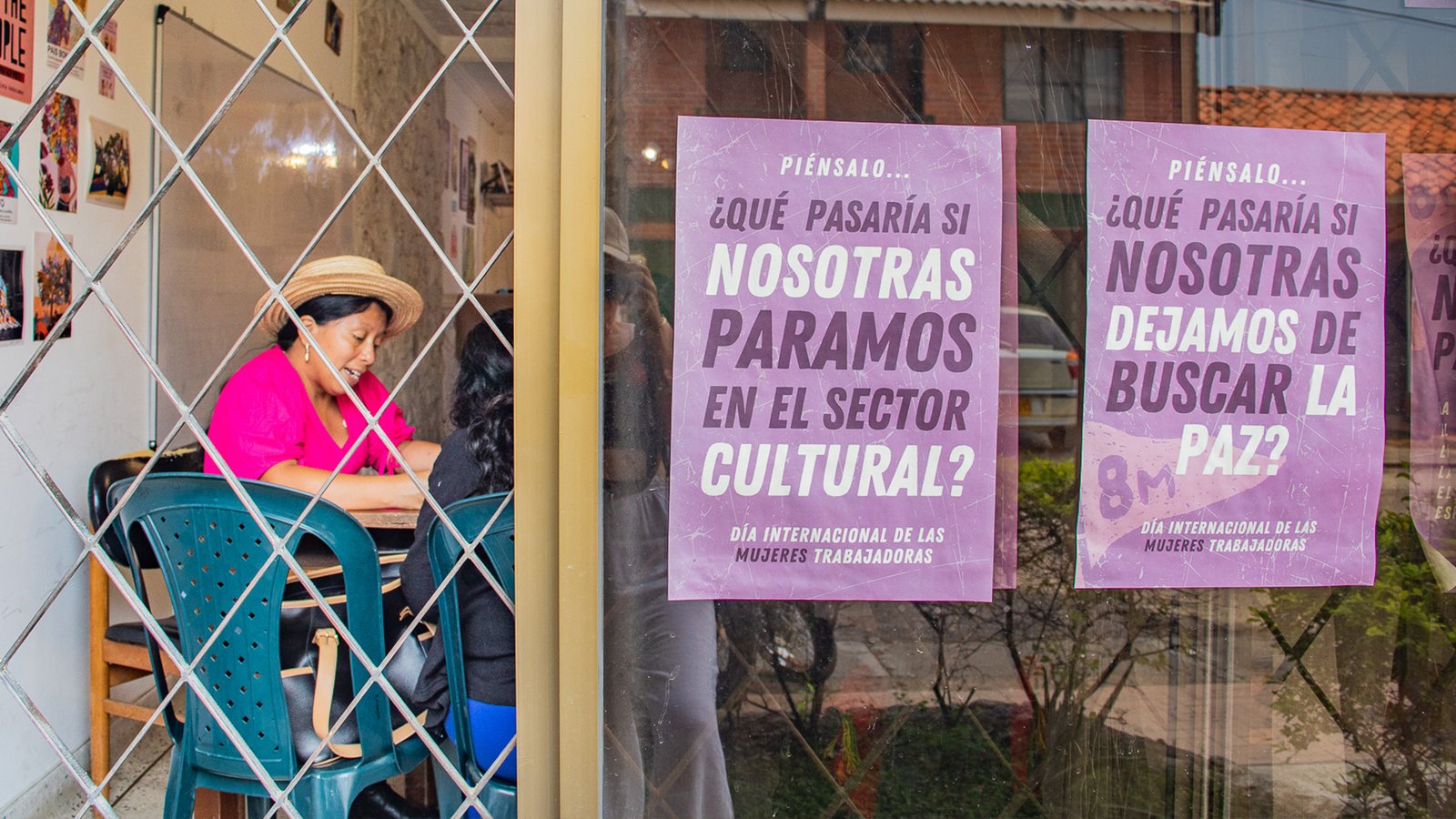
CORPORACIÓN ENSAYOS PARA LA PROMOCIÓN DE LA CULTURA POLÍTICA
In Cauca, violence and armed conflict continue. That is why women and LGBTI people have decided not to wait any longer for peace to come from the negotiating tables set up far from their territories.
For the past four years, Conspirando Por la Paz (Conspiring for Peace)— a coalition of women, LGBTI people, signatories to the Peace Agreement, indigenous people, Black women and rural women — has been developing a roadmap to end the war through dialogue and collective care.
Their aim is clear: the militarisation of life is not the answer. “We have already experienced war; now is the time to experience peace.” This ten-point guide brings together the lessons learnt by women leaders who have built bridges where others see chasms, and who have shown that peace is woven by feminist and diverse hands..
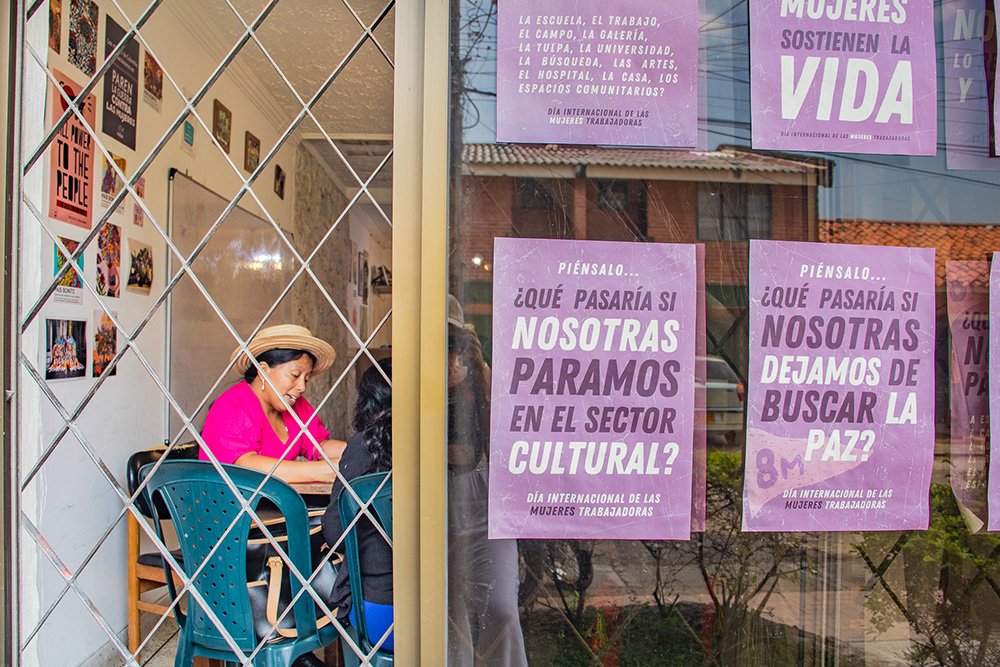
Dialogue.
Conspiring for Peace sent letters to armed groups demanding immediate humanitarian commitments.
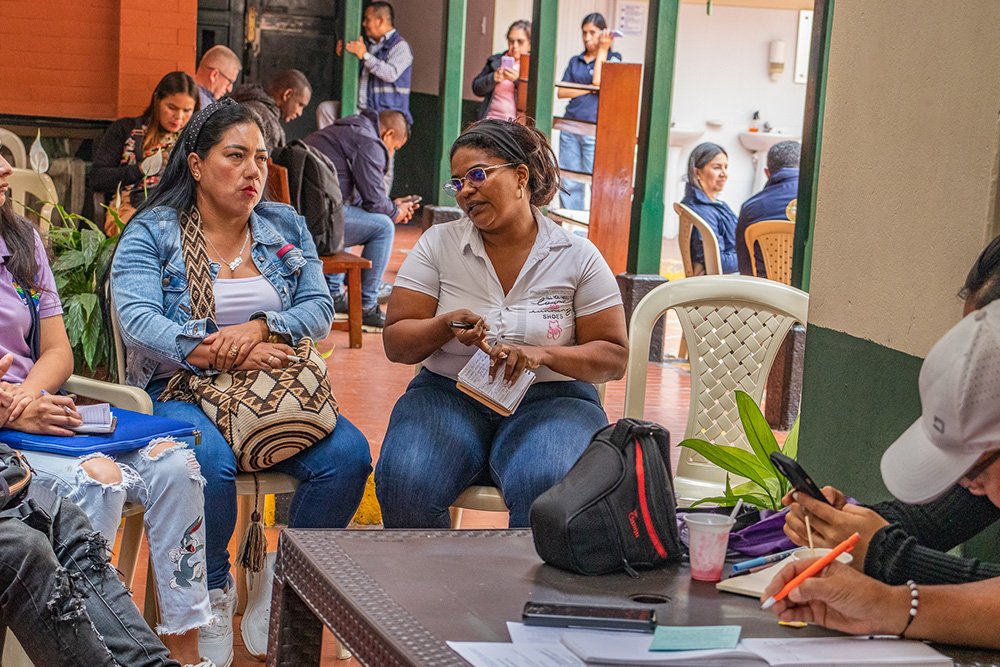
Active advocacy.
Marta Castro from Conspiring for Peace, at the Cauca Regional Space for Peace (ERPAZ).
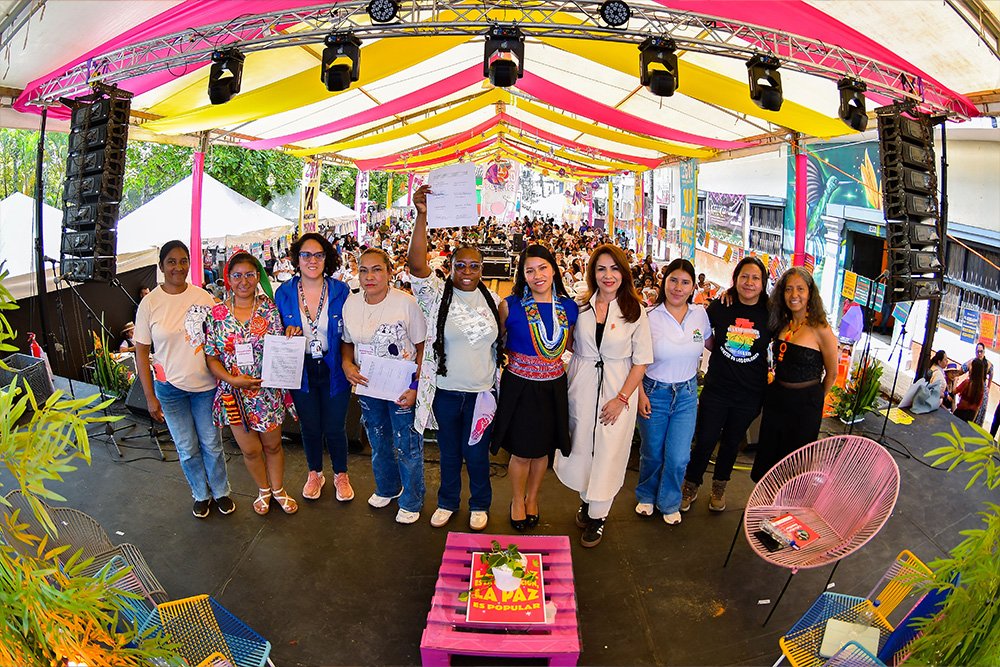
Demanding real gestures of peace,
such as an end to conscription, and the demilitarisation of the territory.
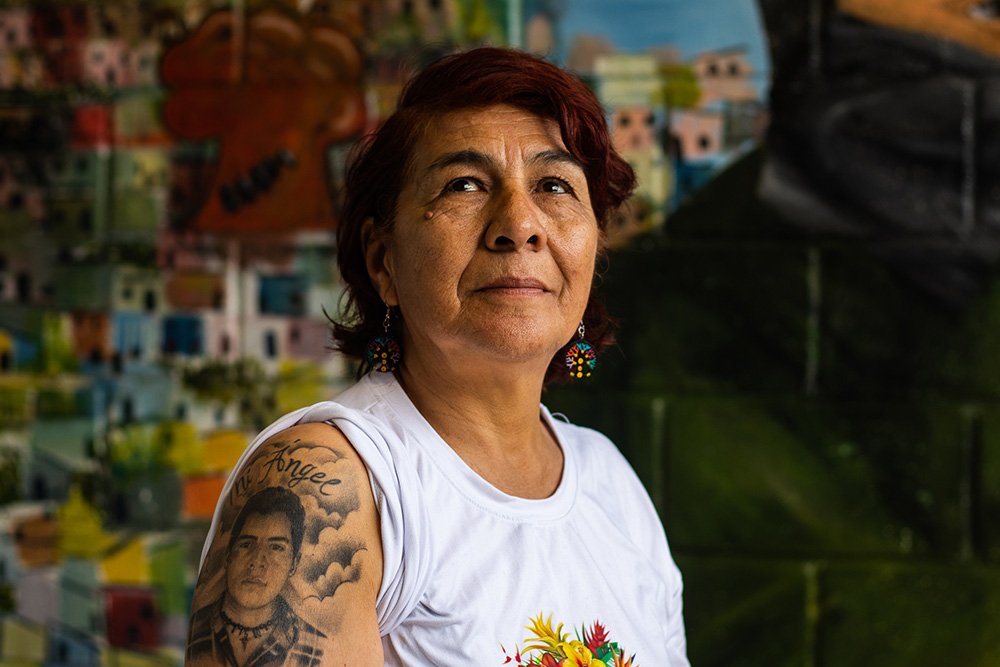
Healing alliances.
Doris Tejada from the Mothers of Soacha, shares knowledge and memories in Medellín.
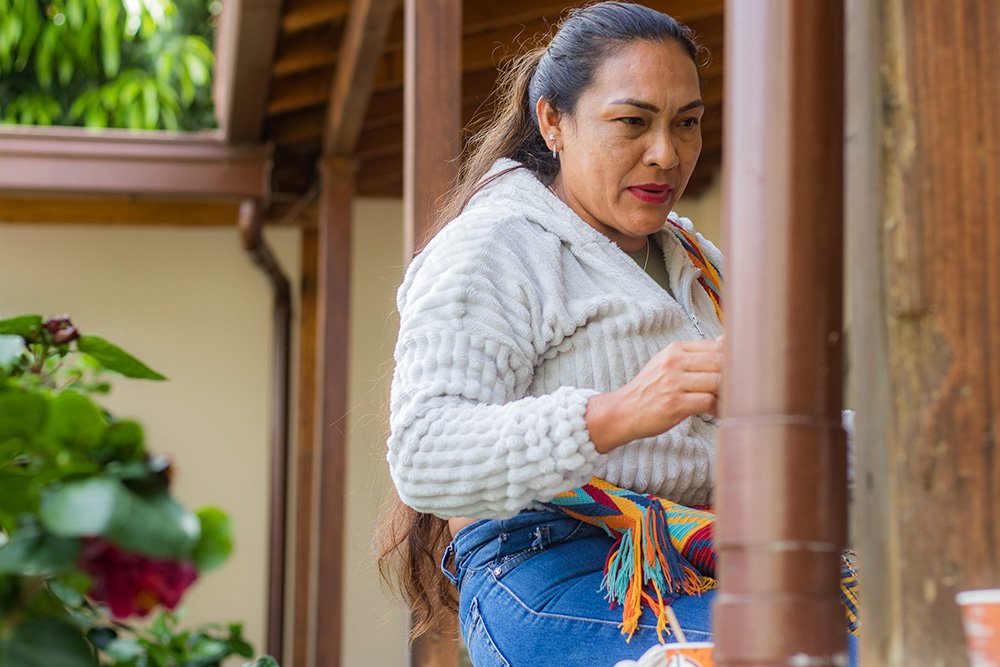
Community care.
Diana Lomelín leads reconciliation projects through safe spaces.
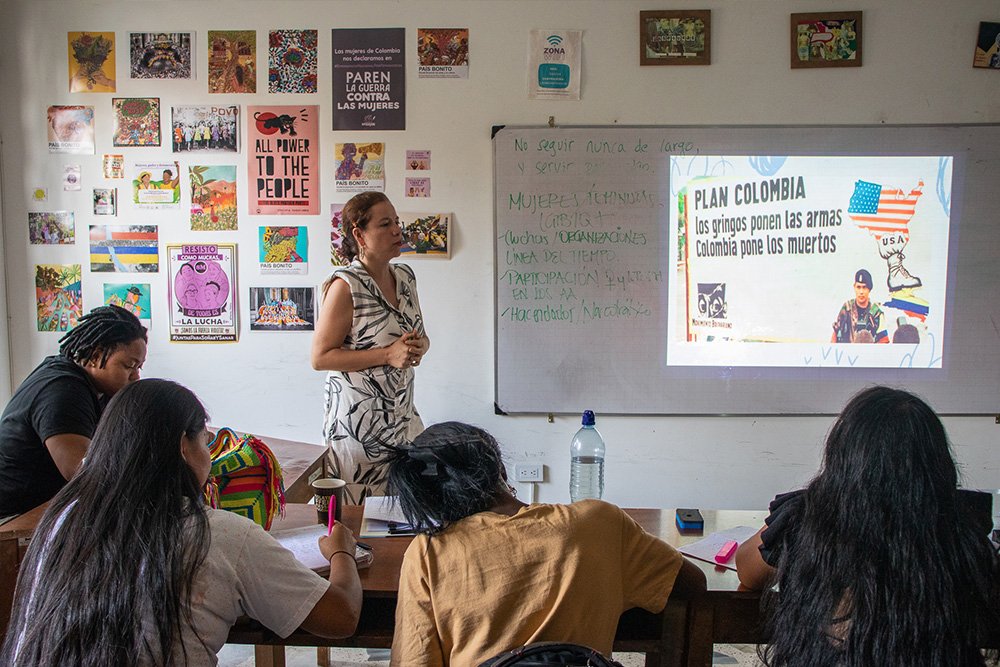
Training to make a difference.
Diana Granados teaches classes on the history of the conflict in Colombia.
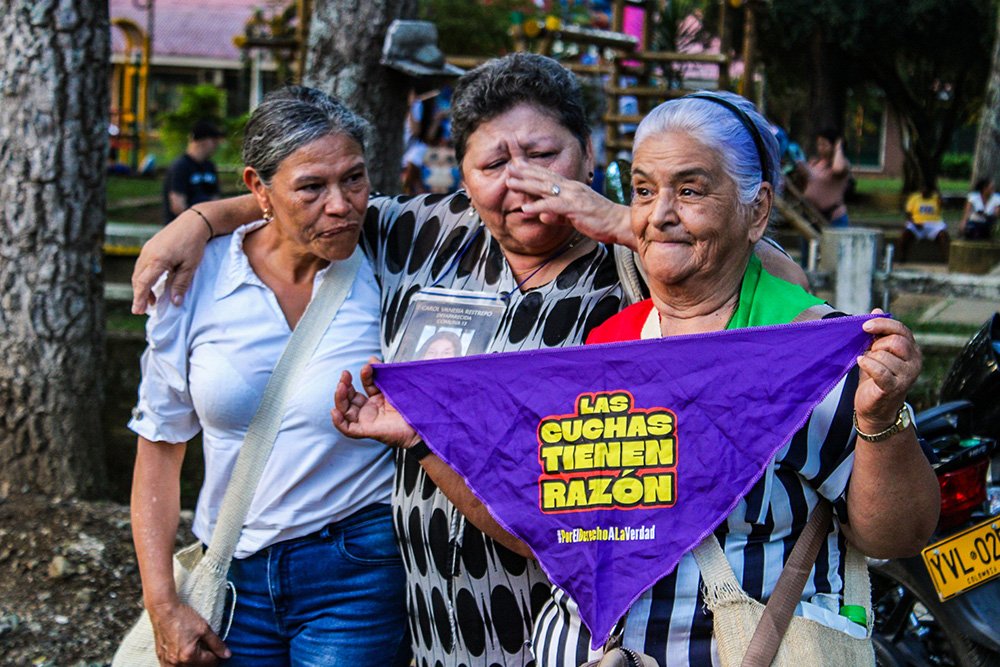
Setting up humanitarian search committees.
Conspiring for Peace collaborated with the Mothers of Medellín.
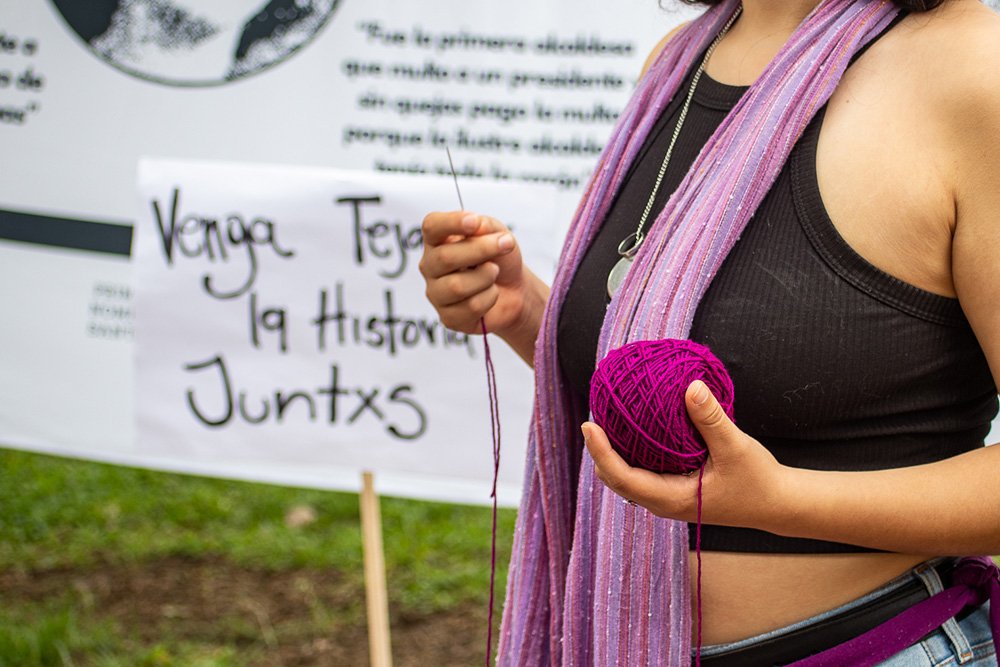
Transforming public spaces through art and memory.
A mural was woven in Quilichao during 8M-2025.
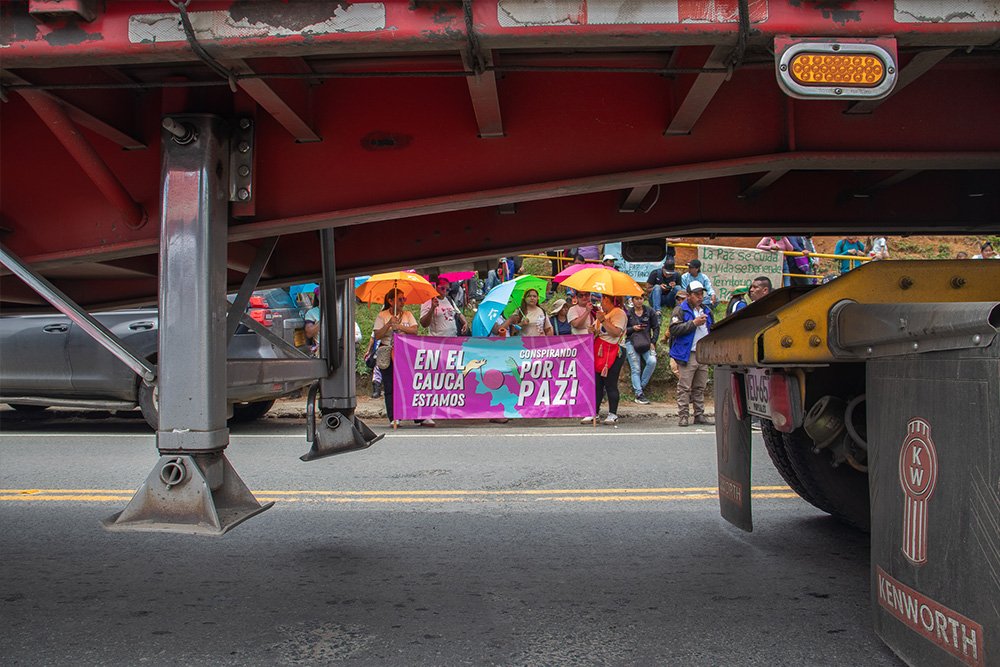
Being visible and persistent.
A minga (voluntary community work meeting) for peace on the Pan-American Highway in response to the Cajibío attack.
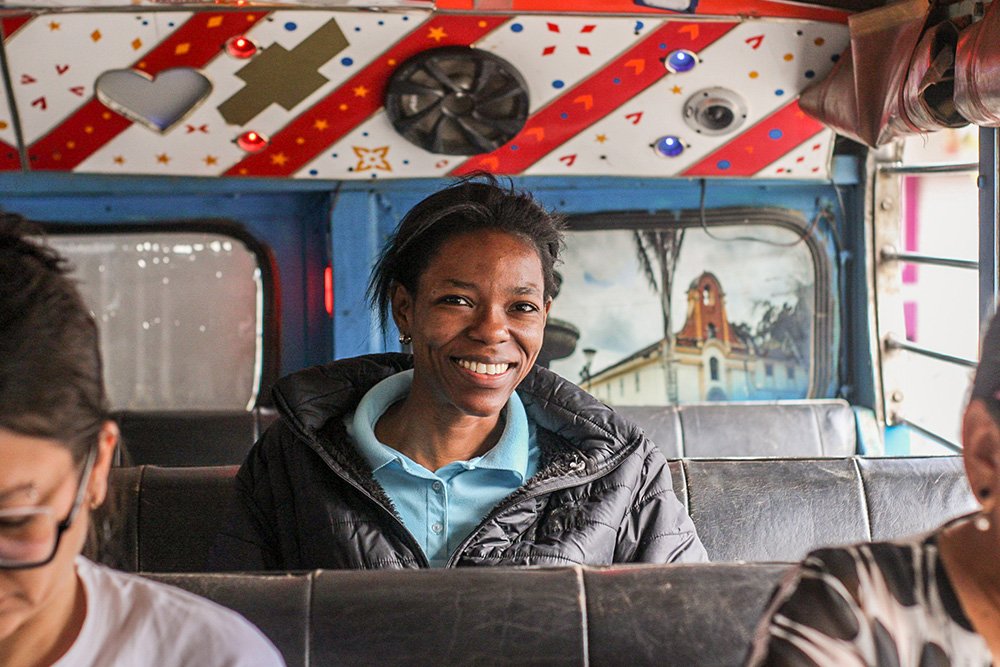
Considering the protection of life from a perspective of human security and feminism.