

INSTANCIA POR LA SALUD Y EL DESARROLLO DE LAS MUJERES / OSAR
Evelyn Texaj, a young Kaqchikel Maya woman from Chimaltenango, is championing comprehensive sexuality education and the prevention of teenage pregnancy, whilst confronting silence, stigma and historical inequalities.
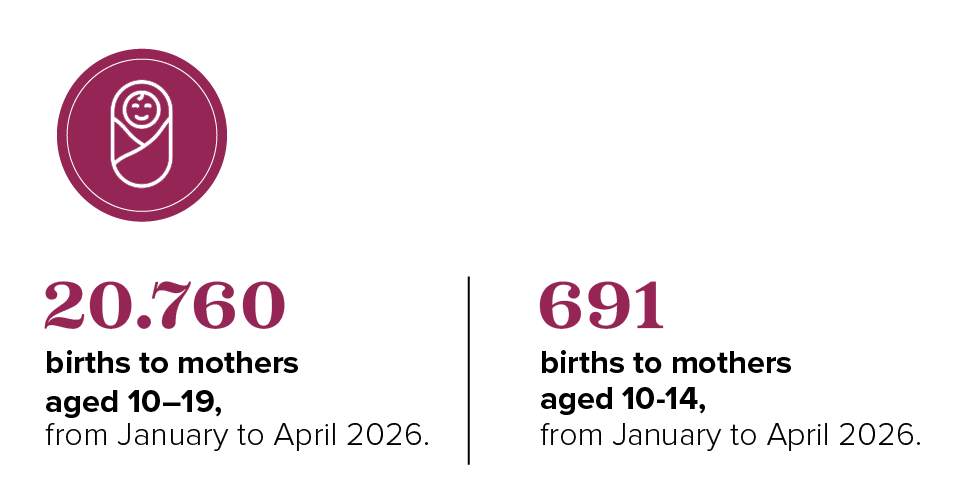
Evelyn Texaj is a 31-year-old Kaqchikel Maya woman who, through her community work in Chimaltenango, has seen first-hand how silence, misinformation and violence affect the lives of girls and adolescents. Her work focuses on promoting comprehensive sexuality education (CSE) and preventing teenage pregnancies, a problem that continues to shape the lives of girls and adolescents in Guatemala. Drawing on her own experience, she speaks clearly about the challenges and urgent issues facing the country.
OSAR: What motivated you to get involved in preventing pregnancies among girls and adolescents?
Evelyn Texaj: What struck me most was seeing 12- or 13-year-old girls becoming mothers without having had the chance to choose. Often these pregnancies are the result of sexual violence, yet they are treated as normal. When I realised that information could change these stories, I decided to dedicate myself to this cause. It’s not just a job; it’s a responsibility towards the girls who come after us.
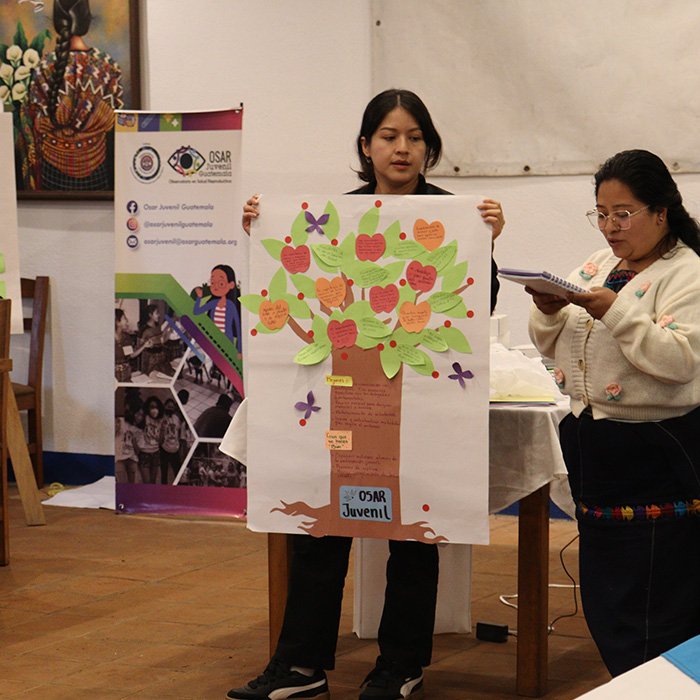
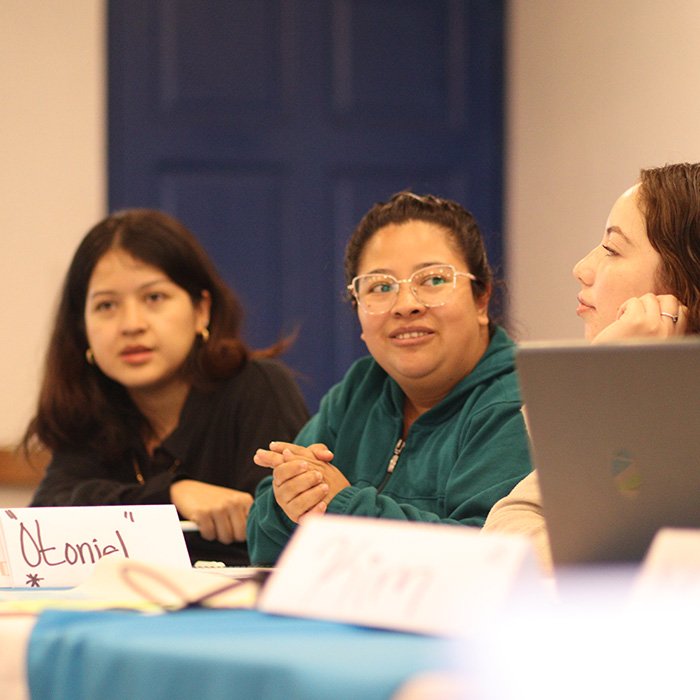
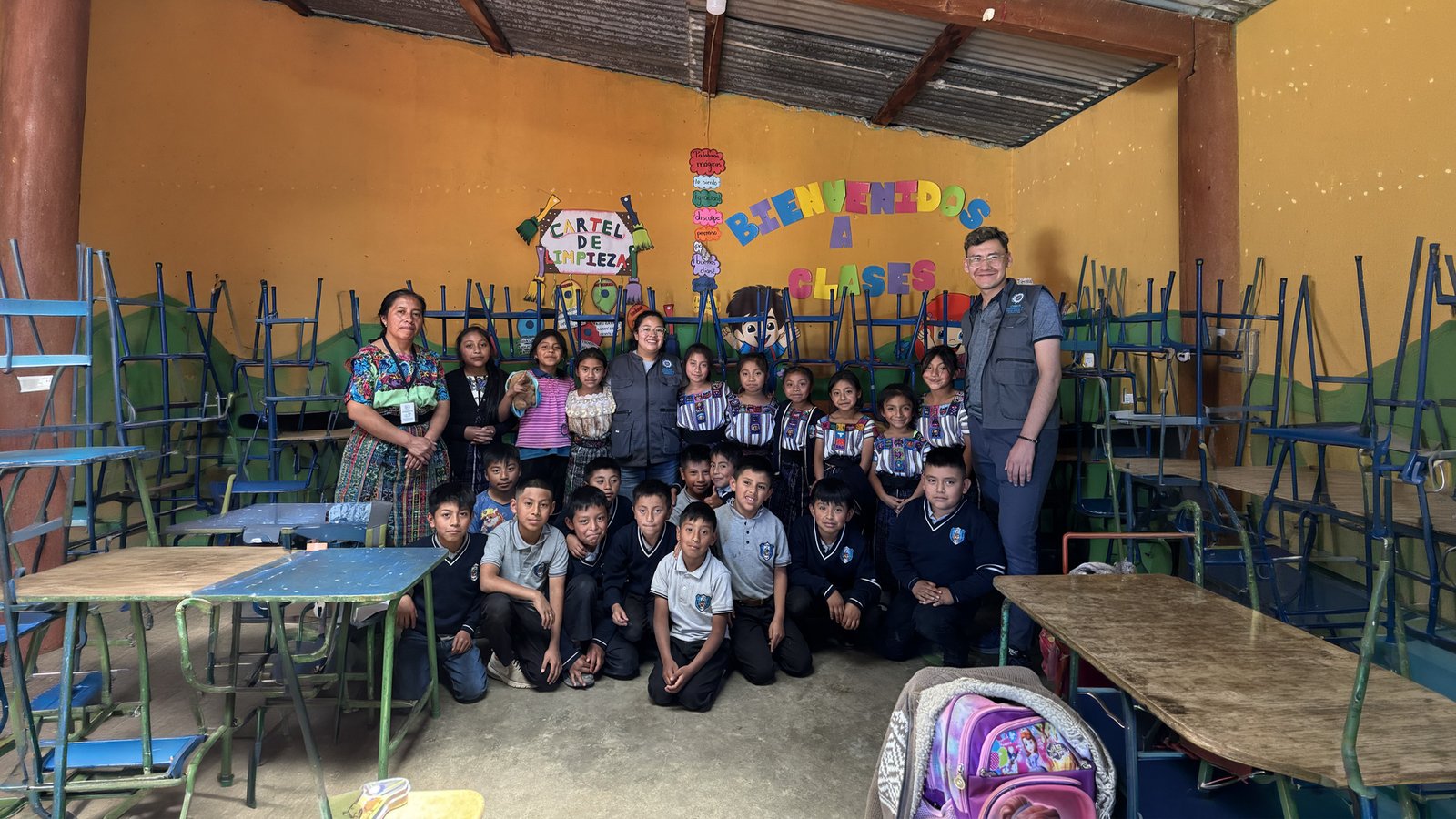
Evelyn Texaj, human rights advocate in Chimaltenango.
OSAR: ¿How does your identity as a young Maya woman influence your work on sexual and reproductive health?
ET: My identity is part of everything I do. I grew up in a community where talking about sexuality wasn’t common, and where we saw the consequences of this silence. Being a Maya woman has taught me to listen, to work with respect, and to understand that information is a tool for protection. When I enter a community, the girls and their mothers see me as someone close to them, someone who understands their reality. That opens doors.
OSAR: What barriers do you encounter when discussing CSE in communities where the subject remains a sensitive one?
ET: The main barrier is fear: fear that the information might ‘awaken’ something in the girls, fear of breaking with traditions, fear of talking about violence. There is also a great deal of mistrust towards institutions. But when we explain that sex and relationship education is not about teaching them how to have sex, but about recognising their bodies, boundaries, consent and risks, families begin to listen. Resistance eases when they realise we’re not there to impose anything, but to support them.
Comprehensive sexuality
education is a protective tool
that enables girls to recognise
risks and seek support.
OSAR: What resistance do you face as a young, Indigenous woman leading these processes?
ET: Sometimes our capabilities are doubted simply because we are young or because we are Indigenous. I’ve been told that these issues “aren’t for women in the community” or that “we shouldn’t get ourselves into trouble”. But I’ve also found a great deal of support, especially from older women who want their daughters and granddaughters to live differently. Resistance exists, but so does collective strength.
OSAR: What do you think society still fails to understand about teenage pregnancy in Guatemala?
ET: That it is not a ‘family problem’; it is a violation of rights. A pregnant girl is a girl who has been abused. And as long as we continue to view these cases as something normal or inevitable, we will not make progress. We need to understand that prevention does not begin once a pregnancy has already occurred, but when we ensure access to information, support, services and education.
OSAR: What myths do you come across most often when you talk about sexuality with families and communities?
ET: The most persistent myth is that talking about sexuality ‘encourages’ girls to have sex. Another is that menstruation is something to be ashamed of, or that contraceptive methods are dangerous. There are also misconceptions about girls’ bodies, such as the belief that they ‘mature’ earlier and are therefore ‘ready to be mothers’. Combating these myths requires patience and clarity.
OSAR: What changes have you seen when a community receives clear and respectful information?
ET: You can see it in the growing trust. Girls start asking questions, mothers become more approachable, and teachers get involved. When information is conveyed properly, silences that once seemed impossible to break are shattered. I have seen communities where, following training programmes, girls are no longer afraid to say ‘this isn’t right’ or ‘I need help’. That is a huge change.
OSAR: What changes do you consider urgent to protect girls and adolescents?
ET: We need the CSE to be a real priority, not just empty rhetoric. We also need institutions to respond swiftly and without re-victimising. But, above all, we need girls to be heard. They know what they’re going through; they know what they need. If we don’t put them at the centre, we’ll keep repeating the same mistakes.
OSAR: What message would you give to other young Maya women who want to get involved in defending rights?
ET: That their voice matters. That they don’t need to ask permission to stand up for the girls in their communities. And that they are not alone. Every step we take paves the way for others. Our leadership is essential.